
Search Engine Optimization, commonly known as SEO, is the process of improving a website so that it ranks higher on search engines like Google, Bing, and Yahoo. The main goal of SEO is to increase organic (non-paid) traffic by making a website more visible to users who are actively searching for relevant information, products, or services.
In today’s digital world, SEO is one of the most important parts of digital marketing, online branding, and content strategy. Without proper SEO, even high-quality websites may remain invisible on search engine result pages (SERPs).
What is SEO (search engine optimization) is a common question for beginners who want to understand how websites rank on Google and other search engines.
What is SEO (search engine optimization) in Simple Words
SEO means optimizing your website so that search engines can easily understand:
- What your content is about
- How valuable it is for users
- Whether it deserves to rank on the first page
When someone searches for a query like “best digital marketing tools”, search engines analyze thousands of web pages and show the most relevant, trustworthy, and helpful results. SEO helps your website become one of those results.
Search Engine Optimization is essential for improving website visibility, increasing organic traffic, and building long-term online success.

Why Is SEO Important?
SEO is important because most online experiences start with a search engine. According to research, websites ranking on the first page of Google receive the majority of clicks, while lower pages get very little traffic.
Key Benefits of Search Engine Optimization :
- Increases website visibility
- Brings high-quality organic traffic
- Builds brand credibility and trust
- Improves user experience
- Provides long-term results
- Cost-effective compared to paid ads
SEO is not about tricking search engines; it is about helping users find the best answers.
How Search Engines Work
Before understanding SEO deeply, it is important to know how search engines work. They follow three main steps:
1. Crawling
Search engines use bots (also called spiders) to scan websites and discover new or updated pages.
2. Indexing
After crawling, search engines store the information in a massive database called an index.
3. Ranking
When a user enters a query, the search engine ranks indexed pages based on relevance, quality, and authority.
SEO helps improve your website at each of these stages.
Types of Search Engine Optimization : –
SEO is not a single activity. It is divided into different types, each focusing on a specific area.
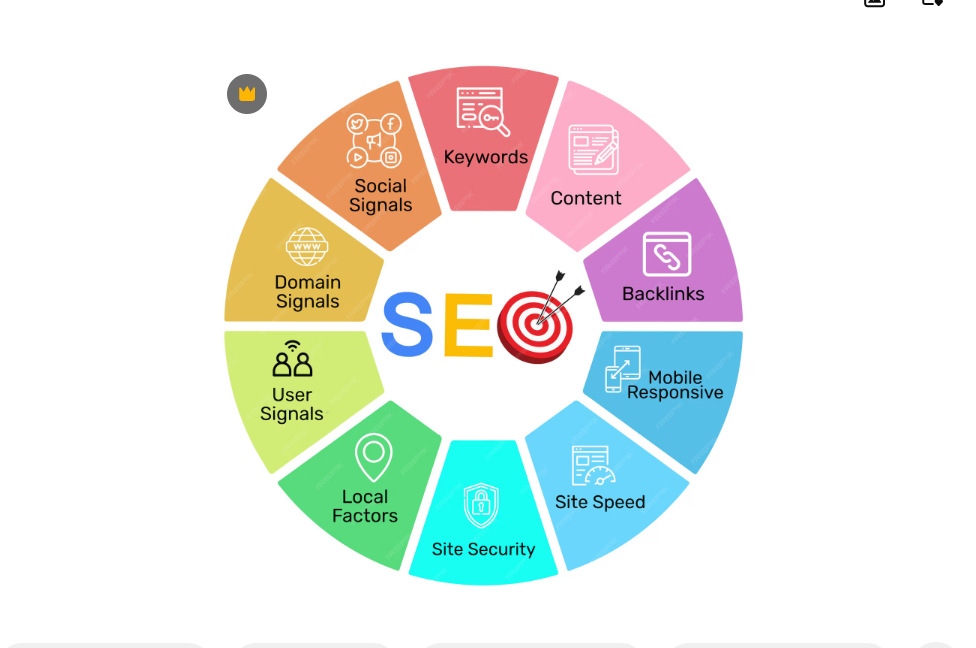
1. On-Page Search Engine Optimization : –
On-page SEO refers to optimizing elements inside your website.
Key On-Page SEO Factors:
- High-quality, helpful content
- Proper keyword research and placement
- Optimized titles and meta descriptions
- Header tags (H1, H2, H3)
- SEO-friendly URLs
- Internal linking
- Image optimization with alt text
On-page SEO ensures that your content is readable for users and understandable for search engines.
2. Off-Page Search Engine Optimization : –
Off-page SEO focuses on actions taken outside your website to improve its authority and reputation.
Important Off-Page Search Engine Optimization Techniques:
- Backlink building
- Guest blogging
- Social media promotion
- Brand mentions
- Influencer outreach
High-quality backlinks act as votes of trust, telling Google that your website is reliable and valuable.
3. Technical Search Engine Optimization : –
Technical SEO ensures that your website functions properly and can be easily crawled and indexed.
Key Technical SEO Elements:
- Website speed optimization
- Mobile-friendly design
- Secure HTTPS connection
- XML sitemap
- Clean site architecture
- Fixing broken links
- Core Web Vitals optimization
Without strong technical SEO, even great content may fail to rank.
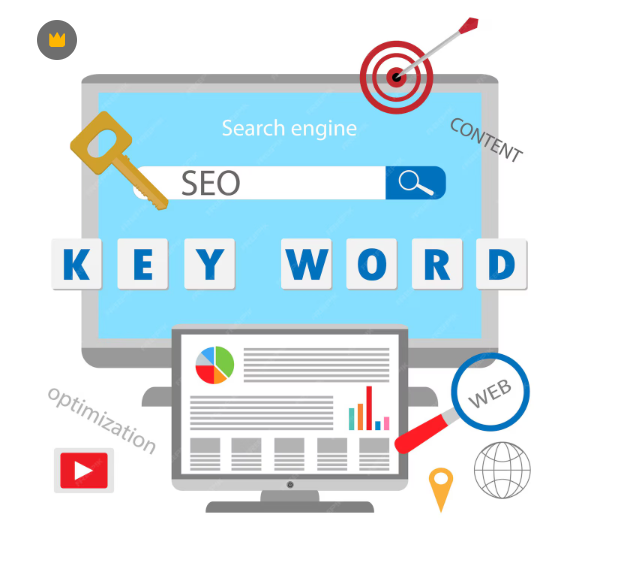
Keywords in Search Engine Optimization : –
Keywords are the search terms users type into search engines. Keyword research helps identify what your target audience is searching for.
Types of Keywords in Search Engine Optimization : -:
- Short-tail keywords (e.g., Search Engine Optimization)
- Long-tail keywords (e.g., what is SEO and how it works)
- LSI keywords (related terms like search engine marketing, website optimization, organic search)
- Informational, navigational, and transactional keywords
Google prefers natural keyword usage, not keyword stuffing. Always write for humans first.
Content and Search Engine Optimization: The Strongest Connection
Content is the backbone of Search Engine Optimization. Google’s guidelines clearly state that content should be:
- Helpful
- Original
- User-focused
- Experience-based
- Well-structured
Search Engine Optimization-Friendly Content Tips:
- Answer user intent clearly
- Use simple language
- Add headings and subheadings
- Include examples and explanations
- Update content regularly
Helpful content builds E-E-A-T (Experience, Expertise, Authoritativeness, Trustworthiness), which is critical for ranking.
User Experience and Search Engine Optimization
Google prioritizes websites that provide a good user experience (UX).
UX Factors That Affect SEO:
- Fast page loading time
- Easy navigation
- Mobile responsiveness
- Clear design
- Low bounce rate
If users stay longer and interact with your website, search engines consider it a positive signal.
Search Engine Optimization vs Paid Advertising
Search Engine Optimization focuses on organic traffic, while paid advertising (like Google Ads) brings instant visibility.
| SEO | Paid Ads |
| Long-term results | Instant traffic |
| Cost-effective | Requires continuous budget |
| Builds trust | Stops when ads stop |
| Slower results | Fast visibility |
A strong digital strategy often combines SEO and paid marketing.
Common Search Engine Optimization Mistakes to Avoid
- Keyword stuffing
- Duplicate content
- Buying low-quality backlinks
- Ignoring mobile optimization
- Slow website speed
- Not updating old content
Following Google’s guidelines helps avoid penalties and ranking drops.
Future of Search Engine Optimization
Search Engine Optimization is constantly evolving. With AI, voice search, and machine learning, SEO is becoming more user-centric.
Future SEO Trends:
- Voice search optimization
- AI-generated search results
- Focus on topical authority
- Video SEO
- Local SEO growth
- Search intent optimization
Websites that focus on helpful, people-first content will continue to succeed.
Final Thoughts: What Is Search Engine Optimization?
SEO is not a one-time task; it is a continuous process of improving your website for both users and search engines. When done correctly, SEO builds trust, increases visibility, and delivers long-term success.
By focusing on quality content, proper optimization, user experience, and ethical practices, any website can improve its rankings and grow organically.
SEO is not about gaming Google—it is about serving users better.
This article clearly explains what is SEO (search engine optimization) and how it helps websites achieve long-term growth and better online visibility.
According to Google Search Central, SEO focuses on improving content quality and user experience.